Audience and participant engagements recorded across workshops, rehearsals, touring visits, and public performances.
Impact & Reports
Evidence of artistic reach, community trust, and public value.
This page brings together our annual reporting, headline outcomes, financial context, and the stories behind the numbers for The Upstate Theatre Project Clg.
Headline impact
A snapshot of how theatre activity translated into measurable community outcomes.
We combine attendance, retention, progression, accessibility, and partner feedback data to review whether our work is reaching the people it is designed to serve.
Young people supported through structured ensemble training, mentoring, and progression opportunities.
Schools, venues, charities, and civic partners engaged in co-delivery, hosting, or referral pathways.
Participants reporting stronger confidence, creative voice, or sense of belonging after sustained engagement.
Annual report
Board-approved reporting that connects mission, delivery, and stewardship.
Featured publication
2025 Annual Impact Report
The latest report summarises programme delivery, safeguarding oversight, participation trends, partnership activity, and year-end financial performance in a single public-facing document.
What it covers
Programme reach, case studies, board governance, reserves monitoring, and risk review.
Primary audience
Funders, families, school partners, local authorities, and prospective collaborators.
Reporting standard
Plain-language, evidence-led, and suitable for donor and grant reporting requirements.
Report library
The core reporting areas stakeholders most often ask to review.
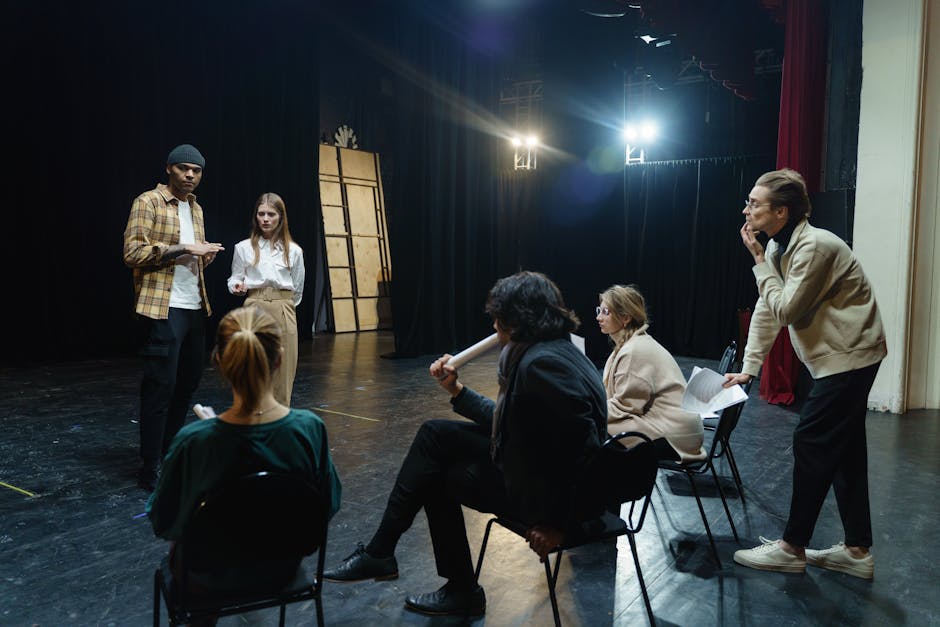
Participation
Reach and inclusion
Who took part, where activity happened, which access barriers were reduced, and how referral routes performed.
Outcomes
Confidence and progression
How participants moved from first contact into repeat attendance, ensemble roles, technical pathways, and peer leadership.
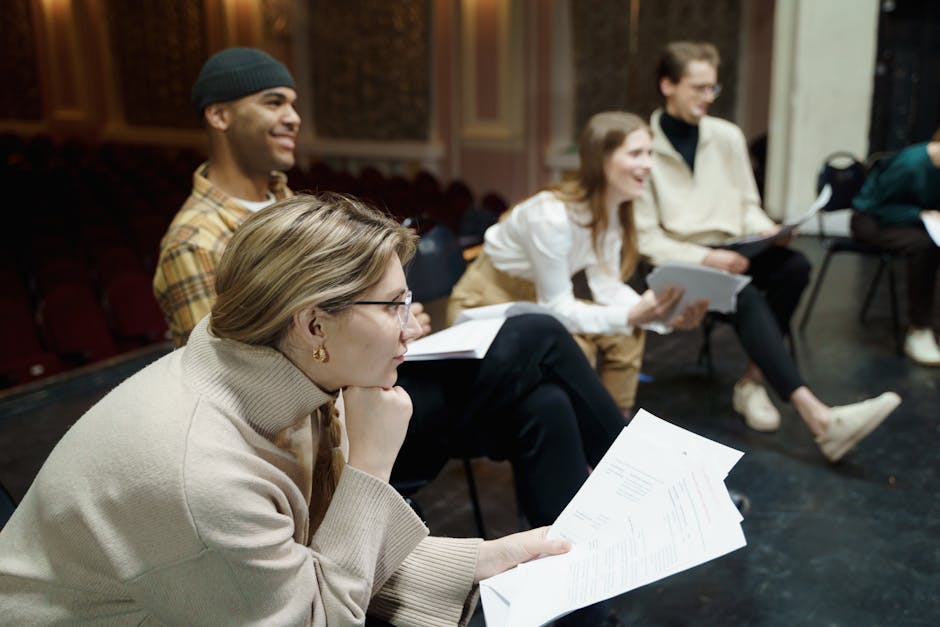
Community
Partnership value
How schools, venues, and charities describe the usefulness, reliability, and local relevance of our delivery model.

Governance
Transparency and controls
How decisions are approved, funds are monitored, risks are escalated, and accountability is maintained throughout the year.
Evidence framework
We look at more than attendance. We track quality, retention, safety, and progression.
Reporting draws on sign-in data, workshop records, creative reflections, partner debriefs, participant surveys, and board review cycles.
Access
We monitor bursary use, venue accessibility, transport supports, and the extent to which activity is hosted in trusted local spaces.
Participation quality
We review retention rates, session continuity, safeguarding incidents, and whether participants return for deeper levels of engagement.
Creative progression
We document shifts from workshop attendance into devising, production roles, mentoring, touring, or leadership responsibilities.
Public benefit
We assess whether programmes widen access to culture, create civic connection, and deliver value that partners can clearly describe.
Story behind the data
One participant journey showing what “impact” looks like in practice.

From first workshop to consistent creative leadership
A secondary-school referral brought one young participant into a short introductory workshop cycle. Early feedback pointed to low confidence, little prior arts access, and uncertainty about joining group activity.
Over two seasons, consistent attendance led to ensemble work, backstage responsibility, and eventually peer-support roles in warm-ups and rehearsal setup. The clearest outcome was not a single performance credit but sustained belonging and visible growth in responsibility.
Starting point
Low confidence and limited pathways into structured cultural activity.
Intervention
Artist-led workshops, bursary support, and repeated opportunities to return.
Change observed
Improved attendance, stronger collaboration, and progression into visible leadership tasks.
Financial context
Mission delivery remains the priority in how resources are allocated and explained.
Annual budget
EUR 412k operating framework
82% of expenditure is directed to programme delivery, artists, facilitators, and access supports rather than administration alone.
Controls
Board and subcommittee review
Budget monitoring, delegated approvals, reserves, and restricted funding lines are reviewed through scheduled governance checkpoints.
Plain-language value
Supporters can see what funding enables
Reporting translates spend into bursaries, workshop blocks, touring visits, artist time, and practical participation supports.
In practice
A visual record of workshops, collaboration, and performance.

Next steps
Use this reporting to assess fit, ask better questions, or start a partnership conversation.
Support delivery
Back bursaries, access supports, and youth progression work with unrestricted giving or project partnership.
Meet the board
Review the leadership and governance responsibilities behind the reporting presented on this page.
Request more detail
Contact the organisation for supporting policy documents, reporting context, or stakeholder conversations.